




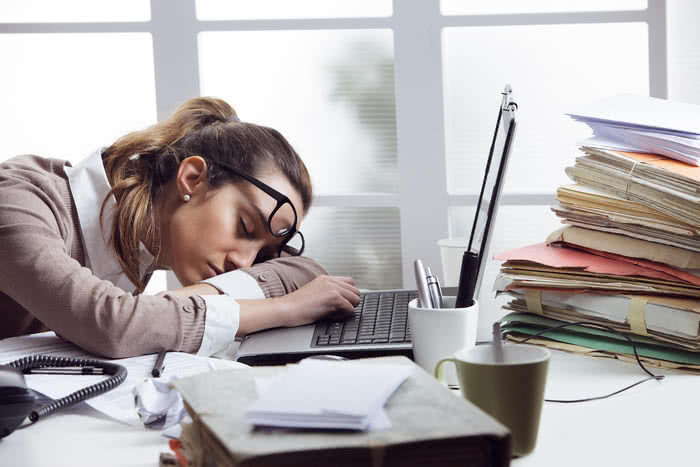
While it’s recommended we snooze for 7-9 hours a night, we all occasionally have nights where we toss and turn instead. Unfortunately, even one poor sleep can ruin our concentration levels, and leave us feeling sluggish and fatigued the next day. To help you bounce back from this quickly, we decided to share some easy to follow tips for how you can give your energy and day a boost!
1. Eat for all-day energy
It’s tempting to head straight for the coffee pot after a poor night’s sleep, but this ultimately does more harm than good. Instead, fill up with nutrient-rich food that will nurture your body. Since breakfast is the most important meal of the day, try some boiled or scrambled eggs to start off right. These are full of energy-boosting B vitamins and protein, which helps repair cells damaged by a lack of sleep. Serve with a slice of whole-wheat toast and a cup of green tea for a long-lasting energy release.
2. Don’t skip your workout
Most of us dread the thought of working out after a poor night’s sleep, with 57% of us choosing not to exercise the day after. Unfortunately, this starts a vicious circle, as exercise is proven to improve our sleep. Even if you can’t bear heading to the gym, try 20 minutes of low-intensity cardio, which a study at the University of Georgia has proven reduces feelings of fatigue. Just remember that moderation is key! Exercising too strenuously while tired can increase your risk of injury as concentration levels aren’t as high as usual, and make you feel even more worn out.
3. Stay hydrated
Dehydration makes us feel even more tired, so try to down two glasses of water first thing in the morning. This helps flush out toxins from your body and the recommended aim is for women to drink around nine cups of water a day, and for men to drink 13. If you need to add a bit more flavour to stick to this goal, try herbal teas or cut up a lemon to add to your glass. And remember, caffeine dehydrates your body, so make sure to drink a glass of water with any tea or coffee you have!
4. Spend time outside
While most of us just want to stay curled up under the blankets after a bad night’s sleep, it’s important to get outside at regular intervals. Not only does the fresh air increase the amount of oxygen carried to your body’s cells, improving your energy levels, but the sunlight actually has a positive impact too. Sunlight is proven to tell your body it’s time to be awake and energised for the day, while also resetting your body’s clock to make sure you don’t experience another poor rest.
We hope this helps you regain your energy after a poor night’s sleep! For more information on how you can improve your energy levels and sleep health, visit our Facebook page or browse our previous posts for even more tips.


